

28 Sep What Is a Sovent System? A Guide for Oahu Buildings
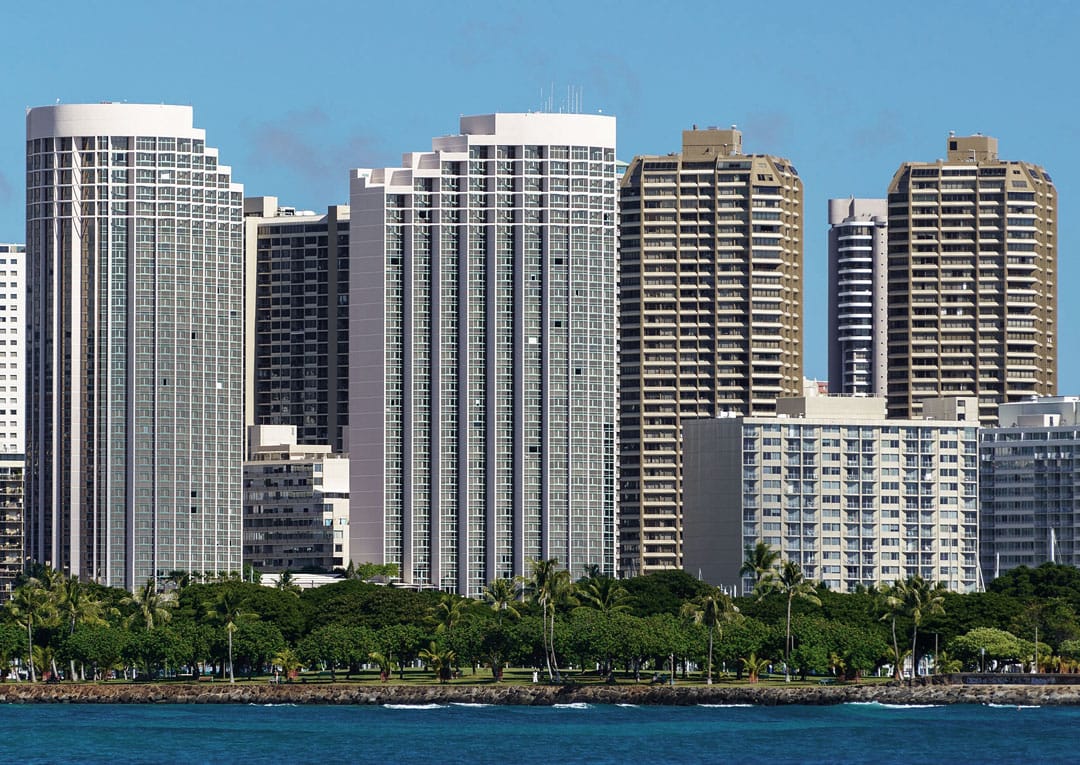
Do you manage or live in a mid-rise or high-rise building on Oahu — a condo tower in Kakaʻako, a beachfront complex in Waikiki, an apartment building in Ala Moana? There’s a good chance your building runs on something most people have never heard of: a Sovent drainage system.
You’ve probably never thought about it. You flush, you drain, the water goes away. For most residents, that’s the whole relationship with their building’s plumbing.
But a Sovent system has one specific maintenance requirement. Most building managers and AOAO boards across Honolulu either don’t know about it or have been putting it off. The consequences are hard to ignore once they start: slow drains, sewer odors drifting into units, backups on lower floors, and eventually emergency repairs that could have been prevented.
535 Plumbing now offers professional Sovent drainage system cleaning. We’re one of the very few licensed plumbing companies in Hawaii with the specialized equipment and expertise to do it right. Below is what a Sovent system is, why it needs specialized cleaning, what neglect actually looks like, and what your board should know before scheduling service.
What Is a Sovent System?
A Sovent system — short for “single-stack soil and vent” — is a patented drainage design. You will also see it called a Sovent plumbing system. It’s used in multi-story buildings, usually those five stories and taller.
A conventional building needs two vertical pipes. A soil stack carries waste and water down. A separate vent stack manages air pressure, so drains flow properly and sewer gas doesn’t push back into units. Two stacks means twice the pipe, twice the connections, and twice the maintenance points.
A Sovent system does the same job with one stack. It manages that through two specially engineered fittings built into the vertical pipe.
Aerator Fittings
Aerators sit on each floor. They go at the point where the horizontal branch lines from the units meet the vertical stack. Their job is to control how wastewater enters the main stack. They slow it down, break up the plug of falling water, and mix air into the waste stream in a controlled way.
That control is what protects your trap seals. Without it, pressure swings inside the stack would siphon the water straight out of the traps under your sinks, showers, and toilets. Sewer gas would follow it into the unit.
Deaerator Fittings
Deaerators sit at the base of the stack, and at any horizontal offset along the way. Their job is the reverse: separating air back out of the waste stream before it enters the building’s horizontal drain line. This prevents what engineers call hydraulic jump. That’s the pressure shock that hits when fast-moving vertical flow suddenly turns horizontal.
Together these two fittings handle all the air and hydraulic pressure inside the stack. No second vent pipe is needed.
| Feature | Conventional two-stack system | Sovent single-stack system |
|---|---|---|
| Vertical pipes | Two — a soil stack plus a vent stack | One combined stack |
| How air pressure is managed | The separate vent stack | Aerator and deaerator fittings |
| Pipe, joints, and connections | Twice as many | Fewer |
| Building space consumed | More | Significantly less |
| Maintenance | Two stacks to service | One stack — but the fittings need specialized cleaning |
The result is a system that saves real building space. It uses less material and has fewer joints to fail. And it performs reliably — as long as it’s maintained.
Does Your Oahu Building Have a Sovent System?
Sovent systems went into thousands of buildings nationwide: hotels, condominiums, hospitals, and military housing. On Oahu, many of the mid-rise and high-rise buildings put up from the 1970s through the 1990s were built with them. A significant number have never had the system professionally cleaned in their entire service life.
Is your building five stories or taller, and does it date from that era? Then a Sovent system is likely. Your building’s original plumbing drawings will confirm it. So will a look at the base of the stack in the garage or mechanical room.
Why Sovent Systems Need Specialized Cleaning
This is the part that matters most for building managers: a Sovent system cannot be properly cleaned with conventional drain cleaning methods.
| Method | What it actually does in a Sovent stack |
|---|---|
| Standard drain snaking | Clears one local obstruction. Leaves the aerator and deaerator fittings, the branch lines, and the stack transitions essentially untouched. |
| Standard hydro jetting | More effective than snaking — but used incorrectly it can damage the fittings or drive debris into the wrong place and create new blockage points. |
| Professional Sovent cleaning | Mechanical and cyclonic methods developed for single-stack systems. Cleans the laterals, the stack walls, and the aerator and deaerator fittings themselves. |
You can snake a Sovent stack all day and leave the system no cleaner than when you started. Sovent fittings have specific geometric waterways. They need a cleaning approach matched to that design.
Professional Sovent cleaning accesses the stack at the base, usually in a parking garage or mechanical area. From there it works upward through the system. It cleans the laterals, the stack walls, and the fittings without opening walls inside anyone’s unit. Done correctly, a single access point covers roughly every 10 floors.
This is specialized work. It takes the right equipment, technicians trained in Sovent hydraulics, and a methodical approach. A Sovent stack behaves very differently from a conventional DWV stack.
What Happens When a Sovent System Isn’t Maintained
Sovent systems are sometimes described as “maintenance free.” In the narrow sense that they don’t need routine daily attention, that’s fair. But “maintenance free” gets widely misread as “never needs service.” That misreading is where buildings get into trouble.
Grease, soap residue, mineral scale, and organic waste accumulate inside the stack and its fittings over decades of use. The aerators are the most vulnerable. Their internal geometry is precisely what controls how waste enters the stack. Buildup narrows the flow path and disrupts the air-water separation the fitting exists to manage.
Once buildup gets significant, the problems cascade.
| What residents and staff notice | What’s happening inside the stack | Where it shows up first |
|---|---|---|
| Slow drains across a whole floor, or several floors | Scale and grease restricting the flow path through the aerator fittings | Multiple units on the same stack — usually the first symptom a manager encounters |
| Sewer odors drifting into units, coming and going unpredictably | Partially blocked aerators lose pressure control; negative pressure siphons water out of trap seals | Bathrooms and kitchens anywhere on the stack |
| Backups in lower-floor and parking-level fixtures | An obstructed deaerator can’t separate air from the waste stream, so pressure surges push waste back up | Ground floor and parking level |
| Pipe deteriorating faster than expected | Organic buildup feeding microbial corrosion inside cast iron stacks | Inside the stack — visible only on camera |
Sewer Odors Are The Complaint That Escalates
Of all these symptoms, sewer odor generates the most resident complaints. The aerators regulate air pressure to protect the water seal in every trap in the building. When they’re partially blocked, that regulation fails. Negative pressure pulls the water out of the trap, and sewer gas drifts into the unit.
Residents report smells that seem to come from nowhere, or that appear and disappear without a pattern. For a high-rise, it’s one of the most disruptive things that can happen.
Neglect Accelerates Corrosion
Sovent systems in Hawaii’s high-rises were often installed with cast iron stacks, the standard material at the time. Grease and organic buildup inside a cast iron stack feeds microbial corrosion. That’s the same process that eats cast iron drain pipe throughout our climate.
A clean system deteriorates slowly. A system carrying decades of organic debris is actively accelerating its own corrosion from the inside.
The Cost Curve Gets Steeper
A Sovent system that has gone 20, 30, or 40 years without cleaning doesn’t just get dirtier. It gets harder and more expensive to restore. A full-building cleaning on a maintained system costs a fraction of emergency repair after a fitting fails or a section of stack collapses.
How Often Should a Sovent System Be Cleaned?
The general industry standard is every 10 years for a system in regular use.
In Hawaii we lean toward the shorter end of that range. The mineral content of Honolulu’s water supply, our year-round humidity, and the grease-heavy drain loads typical of residential buildings all push buildup along faster than the standard assumes.
| Your building’s situation | What we recommend |
|---|---|
| Sovent system in regular use, cleaned on a schedule before | Every 10 years, the general industry standard |
| Any Oahu building — hard water, humidity, grease-heavy residential loads | Toward the shorter end of that range |
| No record of any prior professional cleaning | Schedule an inspection now — the first service is the most involved |
For a building that has never had professional Sovent cleaning, the first service is the biggest one. Years of accumulated scale and grease need more thorough treatment than a system kept on a regular cycle. After that initial cleaning, the following intervals are easier and less disruptive.
There’s one question every building manager and AOAO board should ask today: does anyone here know when our Sovent system was last professionally cleaned? If the answer is “I’m not sure” or “I don’t think it ever has been,” that’s the single most useful thing you can act on.
What to Expect During Professional Sovent Cleaning
Are you a building manager, board member, or property manager coordinating this for the first time? Here’s the process in plain language.
1. Pre-service camera inspection
A camera inspection of the stack and fittings gives the service team a baseline. It shows where buildup is concentrated, whether any fittings are damaged, and which areas need the most attention. It also documents the before condition for the building’s records.
2. Access at the base
Cleaning accesses the stack from the bottom — a parking garage, mechanical room, or utility area. No walls need to open inside residential units. Minimal disruption to residents is one of the real advantages of doing this properly.
3. Mechanical and cyclonic cleaning
The process works from the base upward, using methods designed around Sovent fitting geometry. Aerators and deaerators get cleaned specifically, not bypassed. The goal is restoring each fitting’s designed flow characteristics — not just pushing debris down the pipe.
4. Post-service inspection
A follow-up camera inspection confirms the system is clear and documents the after condition. Any fittings showing damage or serious deterioration are identified for the building’s attention.
5. Service documentation
We provide written documentation of the service for your maintenance records. That matters for AOAO boards, for property managers, and for due diligence in any future sale of the building.
Who Should Be Paying Attention
AOAO boards and property managers of Oahu mid-rises and high-rises — especially buildings from the 1970s through the 1990s — should treat this as a priority item when there’s no record of prior cleaning. The liability and resident-relations exposure of a neglected system is real. A stack with no cleaning history is exactly the kind of thing that surfaces at the worst time: a resident complaint, a due-diligence review, or a sale.
Building engineers and facilities teams: are you fielding intermittent drain complaints, unexplained sewer odors, or repeat slow-drain calls across multiple units? Don’t assume you have several unrelated problems. You may have one Sovent system that needs service.
Hospitality and commercial property managers running hotels, extended-stay properties, or mixed-use buildings: your drain system’s condition lands directly on the guest and tenant experience. A sewer odor in a hotel room or a backup in a commercial kitchen is an operational problem, not a maintenance ticket.
Why 535 Plumbing for Sovent Cleaning on Oahu
Sovent cleaning takes specialized equipment and real experience with how these systems behave. Standard drain equipment pointed at a different kind of system won’t do it. We’ve invested in the tools and the training to do it properly.
We also understand the Hawaii-specific conditions that affect these systems. That includes the mineral deposits our hard water leaves behind, the age of our building stock, and the cast iron pipe common in Oahu’s older high-rises.
We’re a licensed and insured Hawaii plumbing contractor, serving Oahu since 2015. We’re based here and accountable here. We know these buildings because we work in them regularly. Your board or management team gets an honest assessment of what the system needs — not an upsell.
Frequently Asked Questions
What is a Sovent system?
A conventional building needs two vertical pipes: a soil stack and a separate vent stack. A Sovent system replaces both with one stack. Engineered aerator and deaerator fittings manage the air and hydraulic pressure that a second vent pipe would otherwise handle. The design is used in buildings five stories and taller.
How does a Sovent system work?
A Sovent system uses two engineered fittings to manage air pressure inside a single drain stack. Aerator fittings on each floor slow the incoming wastewater, break up the falling plug of water, and mix air into the waste stream in a controlled way. Deaerator fittings at the base of the stack separate that air back out before the waste enters the building’s horizontal drain line. Together they do the job a second vent pipe would otherwise handle.
How do I find out whether my Oahu building has a Sovent system?
Start with the building’s age and height. Many Oahu mid-rises and high-rises built from the 1970s through the 1990s were constructed with Sovent systems, and the design is used in buildings five stories and taller. Your original plumbing drawings will confirm it, and so will an inspection at the base of the stack in the parking garage or mechanical room.
How often does a Sovent system need to be cleaned?
The general industry standard is every 10 years for a system in regular use. In Hawaii’s conditions — hard water, high humidity, and grease-heavy residential drain loads — we lean toward the shorter end of that range, particularly for buildings with no record of prior cleaning.
Can any plumber clean a Sovent system?
No. Standard drain snaking clears a local clog but leaves the aerator and deaerator fittings untouched. Standard hydro jetting works better, but used incorrectly it can damage those fittings or push debris into new blockage points. Sovent cleaning requires mechanical and cyclonic methods developed for single-stack systems, plus technicians trained in Sovent hydraulics.
Do residents need to leave their units during Sovent cleaning?
No. Professional Sovent cleaning accesses the stack at the base — a parking garage, mechanical room, or utility area — and works upward from there. No walls need to open inside residential units. Minimal disruption to residents is one of the advantages of the process done correctly.
What are the warning signs that a Sovent system needs cleaning?
The most common signs are slow drains across an entire floor or several floors, sewer odors drifting into units unpredictably, and backups in lower-floor or parking-level fixtures. Because these symptoms appear across multiple units rather than in one place, they’re often mistaken for a series of separate plumbing problems.
We’re Here to Help
As a licensed and insured Oahu plumbing company that’s served the island since 2015, we work with cast iron plumbing every week. We’ve done camera inspections in Manoa cottages, descaling in Kaimuki apartment buildings, pipe lining under Makiki slab foundations, and full DWV replacements in Aina Haina homes mid-renovation. We know what Hawaii cast iron looks like at 50, at 60, and at 70 years old — and we’ll give you an honest read on where yours falls.
If your home is pre-1975 and you’ve never had the drain system looked at, or you’re seeing any of the warning signs above, it’s worth a conversation. If it’s fine, we’ll tell you that too.
📞 Call us at (808) 300-0535. Serving homeowners across Oahu — from Kaimuki and Manoa to Ewa Beach, Kailua, and Mililani.
Mahalo for reading!
Why Choose 535 Plumbing
We’re not just a service company — we’re your neighbors. We know Oahu’s plumbing codes, water chemistry, and the corrosion patterns specific to your zip code. From CIPP lining and trenchless sewer line repair in Hawaii to tankless water heater installation and routine residential work, we bring commercial-grade expertise to every home.
Schedule an inspection or call us to talk through your situation. We’re here to help!
Membership Programs Bring Peace Of Mind
Aloha Membership Preventive Plumbing Maintenance
Our Aloha Membership is designed for homeowners who want year-round peace of mind. It includes routine plumbing inspections and maintenance that help catch issues early — before rainy season turns them into emergencies. Preventive care is one of the best ways to avoid unexpected plumbing repairs.
Annual Backflow Inspection Membership
535 Plumbing’s Annual Backflow Inspection Membership ensures regular testing and inspection of your backflow devices, preventing contaminants from entering the potable water supply and protecting your family’s health. It helps identify and repair issues before they lead to costly system failures or water contamination events.
Annual Tankless Water Heater Maintenance Membership
Our Annual Tankless Water Heater Maintenance Membership ensures regular testing and inspection of your tankless water heater, removing scale buildup, ensuring a reliable supply of heated water, and preventing costly repairs and extending the unit’s lifespan.
All Membership Plans include:
- 10% off on all services, up to $600.
- Service coordination fees waives, a $139 savings on every service visit.
- Priority Scheduling, placing you at the top of the list.
Let us help you prepare, protect, and prevent plumbing problems before they cause greater damage and larger repair costs.
Why Local Experience Matters
Plumbing in Hawaiʻi is different from plumbing on the mainland. Our soil, weather, tree growth, and older infrastructure create unique challenges. That’s why working with a local plumbing company that understands Hawaiʻi conditions makes a big difference.
At 535 Plumbing, we’ve helped homeowners across the islands deal with plumbing issues for years. We don’t believe in scare tactics — we believe in honest inspections, clear explanations, and solutions that make sense for your home and budget.
Start the new year with confidence. Call (808) 300-0535 to schedule your plumbing inspection today. Hiring a licensed plumber ensures the job is done correctly and up to code.
Call 535 Plumbing for Expert Advice
Whether you choose to repair or remodel, 535 Plumbing can help you make the right decision for your home and budget. We provide honest recommendations, professional installation, and access to high-quality appliances designed for island life.
Get a Professional Quote for Your Plumbing Emergency
535 Plumbing specializes in plumbing inspections, repairs, complete remodels, trenchless pipe repair and much more. Whether you need a routine cleaning or a complex repair, we provide expert plumbing services tailored to your specific situation. Contact us today for a professional assessment and a customized quote to keep your plumbing system in top shape!
535 Plumbing is here to help. We offer:
- Fast and Reliable Service: Get prompt assistance when you need it most.
- Expert Technicians: Our skilled plumbers have experience with all garbage disposal types and plumbing systems.
- Upfront Pricing: No surprises—just honest, transparent estimates.
- Sustainable Solutions: We fix garbage disposals efficiently to save water and reduce your environmental footprint.
Schedule an inspection and take the first step toward reclaiming control over your plumbing. If you live on O‘ahu and are in need of a licensed plumber to help with your plumbing issues, choose 535 Plumbing for the job! Our team of professional O‘ahu plumbers are highly skilled and our excellent customer support representatives will work with you to schedule your appointments at a time you most convenient. Learn more and schedule an appointment by calling (808) 300-0535, or Visit Our Contact Us Page.
We have the tools and expertise to diagnose and resolve your plumbing issue efficiently. Don’t let a simple plumbing problem escalate—take action today to maintain the functionality of your home’s plumbing system. For more plumbing maintenance tips and advice, check out our other guides. Mahalo!