

17 Apr Sewer Camera Inspection: What to Expect, Step by Step
A plain-language guide for Honolulu and Oahu homeowners — from how the process works to how to read the report.
When customers hear the term “sewer camera inspection,” some feel nervous. They picture something complicated, invasive, or expensive. The truth is, it’s one of the simplest and most useful services we offer.
A sewer camera inspection lets us see exactly what’s happening inside your pipes without digging up your yard or guessing at the problem. If you’ve never had one done, this guide walks you through what the service is, when it’s recommended, what happens step by step, how to read the report, and how to decide whether to schedule one.
Key Takeaways
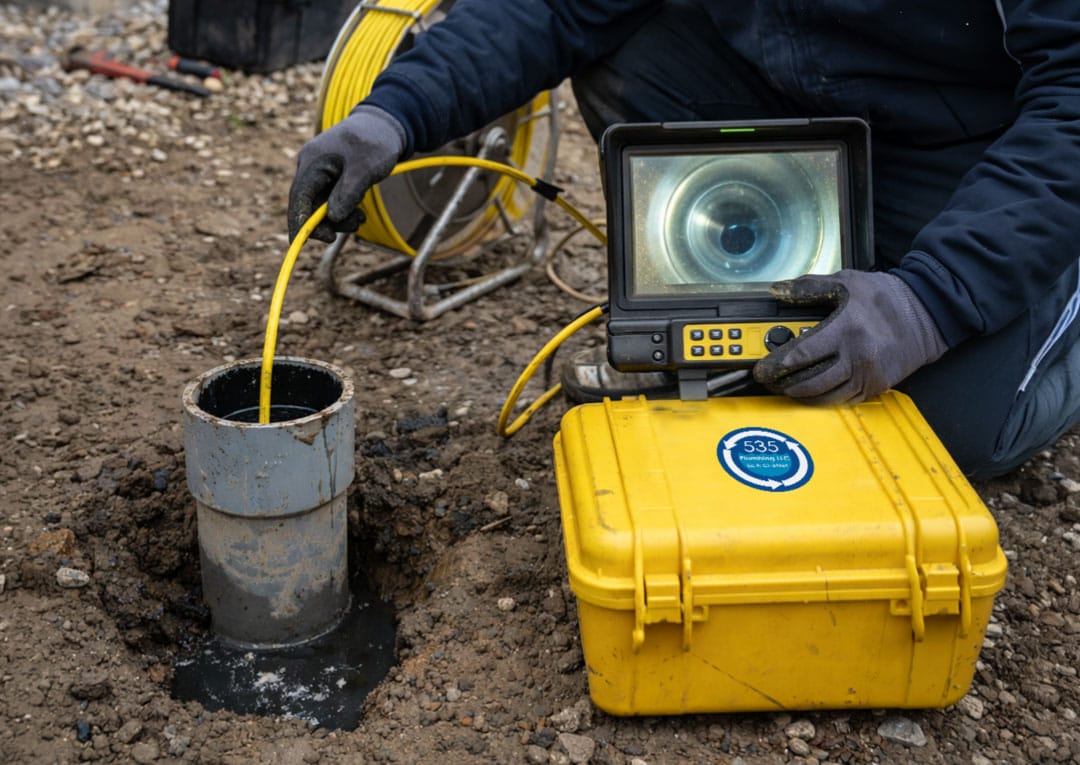
- A sewer camera inspection is a non-invasive diagnostic service in which a waterproof camera on a flexible cable is fed into your sewer line so a plumber can see the interior of the pipe on a live monitor.
- Most inspections take 30 to 60 minutes and require no digging in the majority of cases.
- The service is commonly used for recurring drain clogs, sewage odors, gurgling drains, pre-purchase home inspections, and to confirm a diagnosis before hydro jetting or major repairs.
- A camera inspection can identify tree-root intrusion, grease buildup, corrosion, cracks, separated joints, sagging pipe (bellies), and full collapses — and can pinpoint the issue’s distance from the access point.
- In older Honolulu and Oahu homes, cast iron and Orangeburg pipe are common and worth inspecting before problems escalate.
What Is a Sewer Camera Inspection?
A sewer camera inspection is a plumbing diagnostic in which a small, waterproof camera attached to a flexible cable is inserted into your drain or sewer line — typically through a clean-out access point, or, if no clean-out exists, by temporarily removing a toilet to access the line through the drain opening. The camera transmits live video to a monitor, so the plumber can see the inside of the pipe in real time.
Instead of guessing where a clog is or what’s causing a backup, we can see it directly. That includes cracks, blockages, tree-root intrusion (roots that have grown into the pipe in search of moisture), grease buildup, corrosion, separated joints, and even collapsed pipe sections. It takes the mystery out of sewer problems.
When Is a Sewer Camera Inspection Recommended?
There are a few situations where a camera inspection clearly makes sense.
Recurring drain clogs in multiple fixtures
If more than one fixture in the house is slow or backing up — for example, the kitchen sink and a bathroom tub on the same day — that often points to an issue deeper in the main sewer line. Instead of repeatedly clearing the symptom, a camera inspection lets us find the cause.
Sewage odors, gurgling drains, or water in floor drains
Sewage smells, gurgling sounds when another fixture drains, or water appearing in tubs or floor drains during a flush are all signs of a partial blockage or venting issue further down the line. A camera inspection confirms what’s happening and where.
Buying or selling a home on Oahu
Sewer line repair can be one of the most expensive plumbing issues a homeowner faces. For buyers, a pre-purchase sewer camera inspection is cheap insurance. For sellers, it’s a clean document you can hand to a buyer to keep a deal moving. This is especially worth considering in older Oahu neighborhoods where clay, cast iron, or Orangeburg pipe is still in the ground.
Before hydro jetting or major repairs
Hydro jetting — high-pressure water scouring that removes grease, scale, and roots — is extremely effective, but it’s only the right tool for certain problems. We run a camera first to confirm the pipe is intact enough to handle the pressure and that jetting is the right fix. The camera helps us recommend the safest and most cost-effective solution.
Step-by-Step: What Happens During the Inspection
The process is simpler than most homeowners expect.
Step 1 — Accessing the Line
We start by locating a clean-out access point. A clean-out is a capped pipe that gives direct access to the sewer line — usually outside near the home, sometimes in a basement or utility area.
If a clean-out isn’t available, we may temporarily remove a toilet to access the sewer line through the drain opening. The toilet is reset and sealed with a new wax ring when we’re finished. In most cases there’s no digging involved.
Step 2 — Inserting the Camera
Next, we insert the flexible camera cable into the pipe. The camera head has built-in LED lights that illuminate the inside of the line, and as we guide the cable forward, we watch the live video on a monitor.
The camera travels through the pipe, showing us the walls, joints, connections, and anything unusual along the way.
Step 3 — Identifying Issues
As the camera moves forward, we’re watching for specific problems:
What we look for:
- Tree-root intrusion: Roots growing through small cracks or joints, usually in older pipe
- Grease buildup: Fat and food residue coating the inside of kitchen lines
- Cracks or fractures: Pipe material failure — severity depends on size and location
- Separated joints: Two sections of pipe pulled apart; often lets in soil or roots
- Corrosion: Common in older cast iron; narrows the pipe and slows flow
- Sagging / bellies: A low spot in the line where water and waste collect
- Collapsed sections: Full or partial structural failure; requires repair
Most cameras also measure the distance from the access point, so we can tell you the exact location of any problem — for example, *”root intrusion at 42 feet from the clean-out.”* That makes any repair dramatically less invasive because we know where to focus.
Step 4 — Reviewing the Findings With You
When the inspection is complete, we review the footage with you on the monitor. We explain what we’re seeing in plain language: where it is, what it is, how severe it is, and what the options are. If everything looks healthy, that’s valuable information too — you get documented peace of mind.
There’s no guessing, and no pressure. Just clear information and your call on what to do next.
How to Read a Sewer Camera Inspection Report
After the inspection, you’ll often receive a written report and/or recorded footage. A good report typically includes the items below.
- Pipe material: Older Oahu homes frequently have clay, cast iron, or Orangeburg (a tar-impregnated fiber pipe used mid-20th century). Newer construction is usually PVC or ABS plastic. The material matters because it determines which problems are likely and how urgent they are — for example, Orangeburg is known to deform and collapse as it ages and is almost always worth replacing when it appears.
- Observed issues with distance from the access point: Any findings should be logged with their distance down the line, such as *”separated joint at 28 feet.”* That precision is what makes spot repairs possible instead of replacing the full line.
- Severity: A small hairline crack in otherwise sound PVC may just need monitoring. A separated joint, sagging pipe with standing water, or a collapsed section is a repair. A good report tells you which category each finding falls into.
- Flow notes: If the pipe has a sag (a “belly”), waste settles there instead of flowing freely downstream. Over time, that section becomes a chronic slow point. The report should note it.
- Recommended next steps: Cleaning, hydro jetting, spot repair, liner, or full replacement — each finding should map to a clear option.
We’ll walk through each finding with you, what it means, whether it’s urgent, and what your options look like — including the do-nothing option when that’s reasonable.
What Problems Can a Sewer Camera Inspection Find?
A sewer camera inspection can surface issues that wouldn’t be visible any other way without excavation. The most common findings we see on Oahu include:
- Tree-root intrusion: Roots seek moisture and grow into small cracks, especially in older pipe. Common in mature neighborhoods.
- Grease buildup: Especially in kitchen branch lines where cooking grease has been poured down the drain over the years.
- Corrosion in cast iron: Older cast iron narrows from the inside as it rusts, restricting flow long before it fully fails.
- Partially collapsed or shifted pipe: Soil movement and settlement can misalign or crush sections of older pipe.
- Orangeburg deformation: This mid-century pipe material flattens into an oval as it ages and is a frequent find in older homes.
- Sagging sections (bellies): Low spots that trap waste and cause recurring slow drains.
We also run inspections where everything checks out. That’s just as useful — especially during a home purchase — because it lets you close with confidence.
How Long Does a Sewer Camera Inspection Take?
Most sewer camera inspections take 30 minutes to an hour, depending on the length of the line and what we find. If the line is heavily blocked, we may need to clear enough of the blockage for the camera to pass through before the real inspection can continue. The process is clean, efficient, and minimally disruptive to your home.
Is a Sewer Camera Inspection Safe for My Plumbing?
Yes. The camera cable is flexible and designed specifically for sewer lines. It won’t damage the pipe — in fact, it often prevents unnecessary repairs by giving us accurate information before we pick up any other tool. At 535 Plumbing, we handle the equipment carefully and make sure the access point is properly sealed and any removed fixture is reinstalled correctly when we’re finished.
One honest caveat: a camera inspection shows us the inside of the pipe, but it can’t directly measure pressure or verify the integrity of buried joints from the outside. For a small number of cases — for example, suspected slow leaks in a pressurized line — other tools like hydrostatic testing or line locating may be needed alongside the camera. We’ll tell you when that applies.
Why Sewer Camera Inspections Matter
Before camera technology, diagnosing sewer issues involved a lot of guesswork. That often meant unnecessary digging or trial-and-error repairs. Now, we can see the problem directly. That saves time, prevents damage, and lets us recommend the most cost-effective solution.
For example, if a clog is caused by heavy buildup in an otherwise healthy line, hydro jetting is often the right choice. If a section of pipe has collapsed, cleaning won’t solve the issue — it needs repair. A sewer camera inspection helps us make the right call the first time, rather than clearing the same clog every six months.
When You Should Consider Scheduling a Sewer Camera Inspection
You should consider a sewer camera inspection if you’re experiencing any of the following:
- Recurring main line clogs or backups
- Drain odors or sewage smells in or around the house
- Gurgling drains or water backing up in tubs or floor drains
- A purchase or sale of a property, especially an older home on Oahu
- A prior plumber has recommended a major repair and you want a second look before committing
Catching problems early is almost always cheaper than reacting to them later.
Our Approach at 535 Plumbing
At 535 Plumbing, we believe in transparency. When we recommend a sewer camera inspection, it’s because we want clear answers — not guesswork. We show you what we see on the monitor, explain your options in plain language, and let you decide what to do next. Sometimes the inspection confirms a simple fix. Other times it helps prevent a major issue down the road.
We serve homeowners across Oahu. If you’ve been putting off a recurring drain issue or you’re about to close on a home, a sewer camera inspection is the kind of service that pays for itself the moment it tells you what’s actually going on.
If your Sewer Camera Inspection reveals other plumbing issues, we can also assist with trenchless pipe repair, hydro jetting pipe cleaning, descaling services, and more.
Camera Inspection FAQ
How much does a sewer camera inspection cost?
Pricing depends on the length of the line, accessibility, and whether any blockage has to be cleared before the camera can pass through. We quote upfront before starting. If you’d like a ballpark for your specific situation, contact us for a quote — we’ll ask a few quick questions about your home and drain history.
Do I need to do anything to prepare for a sewer camera inspection?
Usually nothing. We’ll need access to a clean-out (often outside the home near the foundation) or, if there’s no clean-out, access to a toilet we can temporarily remove. Clearing the area around any outdoor clean-out before the appointment speeds things up, but we can handle the rest on arrival.
Can a sewer camera inspection detect leaks?
It can detect visible cracks, separated joints, and collapsed sections inside the pipe. It cannot, on its own, confirm every slow leak — especially in pressurized water lines or buried joints viewed only from outside. For those cases we pair the camera with additional diagnostics such as hydrostatic testing or line locating.
Will the camera damage my pipes?
No. The cable is flexible, purpose-built for sewer lines, and has been used in millions of homes. A camera inspection is one of the least invasive diagnostic tools in plumbing. The camera can’t operate where a pipe is already fully collapsed — in that case the cable will simply stop, which is itself useful information.
Should I get a sewer camera inspection before buying a home?
For older homes in Honolulu and across Oahu, yes — it’s worth it. A sewer line repair can run into the thousands, and a standard home inspection typically does not look inside the sewer line. A pre-purchase camera inspection gives you either confirmation that the line is sound or leverage to renegotiate before closing.
How often should I have my sewer line inspected?
If you don’t have active problems, most homeowners don’t need a routine inspection. We recommend one when you notice warning signs (recurring clogs, odors, gurgling), before a home purchase, in older homes with clay, cast iron, or Orangeburg pipe, or ahead of any major repair so the solution is based on evidence instead of guesswork.
Ready to See What’s Really in Your Sewer Line?
A sewer camera inspection isn’t something to be nervous about. It’s a modern, non-invasive tool that protects your home and helps diagnose problems accurately. The process is simple, the results are clear, and the peace of mind is often worth the appointment.
If you’re dealing with recurring drain issues, buying or selling a home on Oahu, or you just want to know the real condition of your sewer line, 535 Plumbing is here to help. We’ll walk you through every step and make sure you understand exactly what’s happening inside your pipes — no surprises, no guesswork, just honest answers.
Schedule a sewer camera inspection or call us to talk through your situation. We’re here to help!
Membership Programs Bring Peace Of Mind
Aloha Membership Preventive Plumbing Maintenance
Our Aloha Membership is designed for homeowners who want year-round peace of mind. It includes routine plumbing inspections and maintenance that help catch issues early — before rainy season turns them into emergencies. Preventive care is one of the best ways to avoid unexpected plumbing repairs.
Annual Backflow Inspection Membership
535 Plumbing’s Annual Backflow Inspection Membership ensures regular testing and inspection of your backflow devices, preventing contaminants from entering the potable water supply and protecting your family’s health. It helps identify and repair issues before they lead to costly system failures or water contamination events.
Annual Tankless Water Heater Maintenance Membership
Our Annual Tankless Water Heater Maintenance Membership ensures regular testing and inspection of your tankless water heater, removing scale buildup, ensuring a reliable supply of heated water, and preventing costly repairs and extending the unit’s lifespan.
All Membership Plans include:
- 10% off on all services, up to $600.
- Service coordination fees waives, a $139 savings on every service visit.
- Priority Scheduling, placing you at the top of the list.
Let us help you prepare, protect, and prevent plumbing problems before they cause greater damage and larger repair costs.
Why Local Experience Matters
Plumbing in Hawaiʻi is different from plumbing on the mainland. Our soil, weather, tree growth, and older infrastructure create unique challenges. That’s why working with a local plumbing company that understands Hawaiʻi conditions makes a big difference.
At 535 Plumbing, we’ve helped homeowners across the islands deal with plumbing issues for years. We don’t believe in scare tactics — we believe in honest inspections, clear explanations, and solutions that make sense for your home and budget.
Start the new year with confidence. Call (808) 300-0535 to schedule your plumbing inspection today. Hiring a licensed plumber ensures the job is done correctly and up to code.
Call 535 Plumbing for Expert Advice
Whether you choose to repair or remodel, 535 Plumbing can help you make the right decision for your home and budget. We provide honest recommendations, professional installation, and access to high-quality appliances designed for island life.
Get a Professional Quote for Your Plumbing Emergency
535 Plumbing specializes in plumbing inspections, repairs, complete remodels, trenchless pipe repair and much more. Whether you need a routine cleaning or a complex repair, we provide expert plumbing services tailored to your specific situation. Contact us today for a professional assessment and a customized quote to keep your plumbing system in top shape!
535 Plumbing is here to help. We offer:
- Fast and Reliable Service: Get prompt assistance when you need it most.
- Expert Technicians: Our skilled plumbers have experience with all garbage disposal types and plumbing systems.
- Upfront Pricing: No surprises—just honest, transparent estimates.
- Sustainable Solutions: We fix garbage disposals efficiently to save water and reduce your environmental footprint.
Schedule an inspection and take the first step toward reclaiming control over your plumbing. If you live on O‘ahu and are in need of a licensed plumber to help with your plumbing issues, choose 535 Plumbing for the job! Our team of professional O‘ahu plumbers are highly skilled and our excellent customer support representatives will work with you to schedule your appointments at a time you most convenient. Learn more and schedule an appointment by calling (808) 300-0535, or Visit Our Contact Us Page.
We have the tools and expertise to diagnose and resolve your plumbing issue efficiently. Don’t let a simple plumbing problem escalate—take action today to maintain the functionality of your home’s plumbing system. For more plumbing maintenance tips and advice, check out our other guides. Mahalo!